
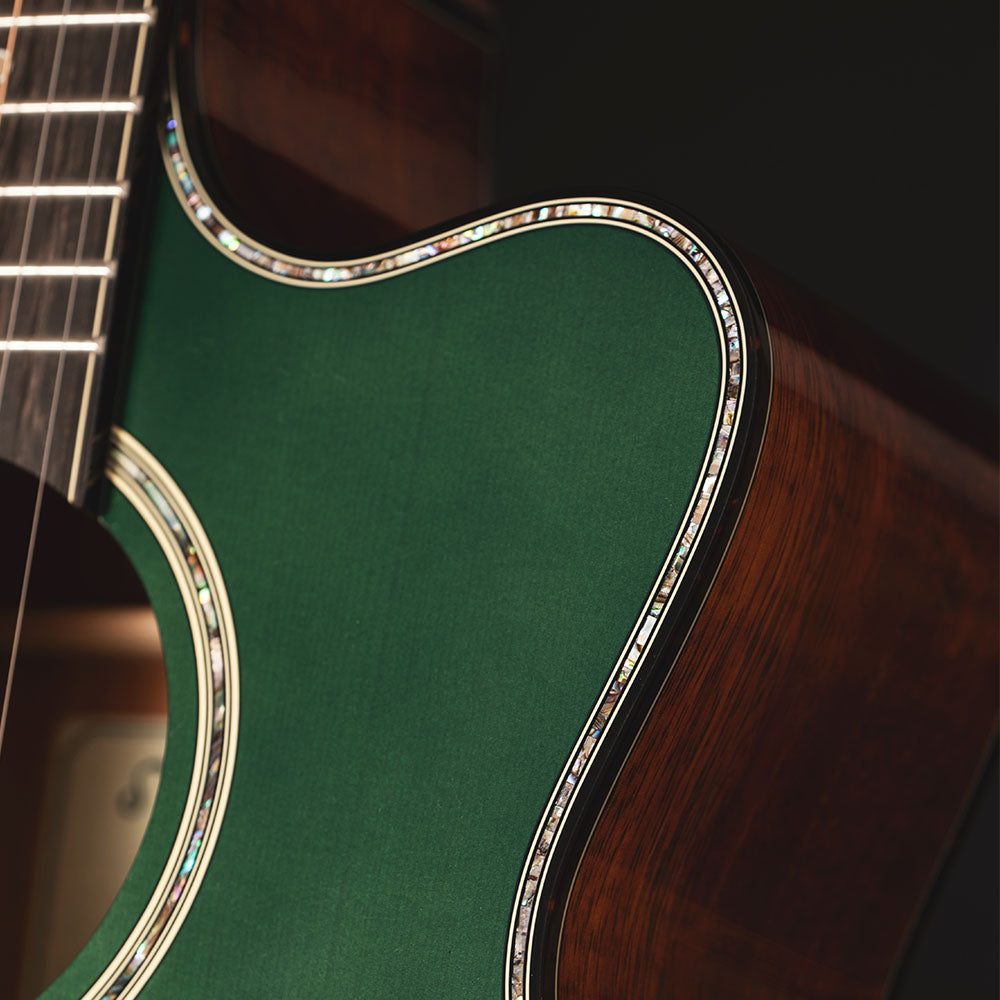

Takamine Wood Types
Takamine guitars are renowned for their exceptional craftsmanship, tonal clarity and use of premium materials. At the heart of each instrument lies a careful selection of tonewoods, chosen not only for their aesthetics but also for their unique acoustic properties.

Spruce
Spruce is a classic choice for acoustic tops, prized for its clarity and strong projection. Takamine uses high-quality spruce to deliver a dynamic, balanced tone that suits both strumming and delicate fingerwork. Its pale, fine-grained surface matures beautifully over time, adding both tonal depth and visual charm. A versatile wood, spruce continues to define the acoustic sound for players of all styles.

Cedar
Cedar brings a warm, expressive voice with a quick response, ideal for fingerstyle and lighter playing. Takamine pairs solid cedar tops with complementary tonewoods to highlight its soft attack and smooth, resonant character. Known for its rich midrange and distinctive reddish hue, cedar offers a more intimate tonal palette perfect for nuanced performance.

Koa
Native to Hawaii, koa is cherished for its striking, flame-like grain and bright, lively tone. Takamine uses this premium wood to craft guitars that offer a focused, articulate sound with a sweet midrange and crisp highs. Over time, koa’s tone becomes warmer and more resonant, making it a favourite for players who appreciate a guitar that evolves with age and use

Maple
Maple is valued for its bright, clear voice and excellent note separation, making it a strong choice for articulate playing styles. Takamine uses figured maple for its tonal precision and distinctive appearance. Its tight response and minimal overtones provide great clarity, especially useful in band settings or studio work where definition matters.

Quilted Maple
Quilted maple is prized as much for its stunning, three-dimensional grain as for its tonal character. Found on select Takamine models, it offers the same bright, focused sound as standard maple, with a touch of added warmth. Its visual depth, often enhanced by transparent finishes, makes it a favourite for players who want striking looks to match articulate tone.

Ovangkol
Ovangkol is an African hardwood that offers a rich tonal palette, combining the warmth of rosewood with a slightly brighter, more open top end. Takamine uses ovangkol for its full, balanced sound and attractive, varied grain. It responds well across playing styles, providing clarity and depth whether strummed or picked, and adds a modern, earthy aesthetic to the instrument.

Mahogany
Mahogany has long been a staple in acoustic guitar design, known for its warm, woody character and strong midrange presence. Takamine uses mahogany for both tops and backs to produce a focused, well-balanced tone with a natural, organic feel. Its smooth response and controlled overtones make it ideal for rhythm work and recording, where clarity and consistency are key.

Sapele Mahogany
Sapele, often considered a variant of mahogany, delivers a similarly rich midrange but with added sparkle and snap in the higher frequencies. Takamine favours it for players who want a bit more brightness without losing that familiar warmth. Visually, sapele’s banded grain adds a distinctive, striped appearance that sets it apart while remaining grounded in the mahogany tradition.

Okoume Mahogany
Okoume offers a lightweight, resonant alternative within the mahogany family. Used by Takamine for its smooth tone and responsive feel, okoume brings a slightly brighter voice with a strong midrange and quick attack. Its tonal profile makes it an excellent choice for dynamic playing styles, while its light, even grain gives guitars a sleek and understated visual appeal.
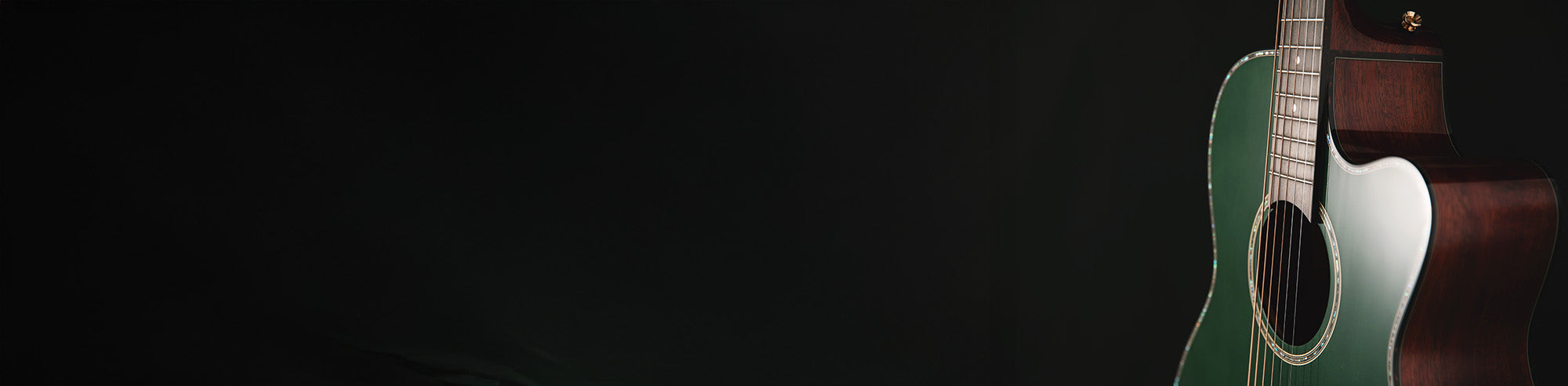
A masterfully crafted limited edition OM cutaway guitar, showcasing a harmonious blend of premium materials and elegant design